

Esports are stressful. Players who perfectly position themselves for an enemy encounter often face abrupt cancellation as their screen freezes up completely. They watch their respawn countdown while their movements remain unregistered by the server.
Mere milliseconds make the difference between winning and losing at the highest level of play. Network infrastructure is just as critical to competitiveness as click-timing. Nobody stops to think about the network stability during a tournament while they cheer for an insane reflex shot. They marvel at an incredible play, but what good is competition without a stable connection?
Why Connectivity Matters Across All Digital Competitions

The need for perfect data transmission extends far beyond fast-paced shooters and battle royales. A competitive environment in any sport requires the assurance that a player’s input works. It’s an immediate, accurate response from the game server.
This necessity increases when rankings or financial stakes are involved. For a strategist, it’s vital to make split-second decisions under high pressure. A sudden connection drop while playing Colorado online poker could mean missing out on a good position. It results in the automatic folding of a winning hand due to a server timeout.
Whether the competition is serious card play or heavy team fighting, the demand for robust infrastructure is the same. A stable connection means the outcome isn’t determined by the quality of the players’ internet service provider. This also means the distance doesn’t determine whether it’s the players or the server.
Deciphering the Critical Metrics of Latency and Jitter
What makes servers work well or not comes down to clear signs of how they run online. The delay, sometimes called ping, shows how long it takes for data to travel from someone’s machine to the server and back.
Those who play games professionally often need response times below 20 milliseconds to stay sharp. Yet even that speed means little without steady connections behind it. For those just playing after work, 50 to 100 ms can feel just fine. Smooth gameplay takes more than just quick signals.
Flickering delays, where response times jump around, hurt gameplay worse than steady lag. One moment, things run at 20 ms; the next, they drag near 80. That kind of shift scrambles any sense of muscle memory. Hitting targets feels off when split-second moves keep needing to be retimed.
The Heartbeat of the Server and Tick Rates
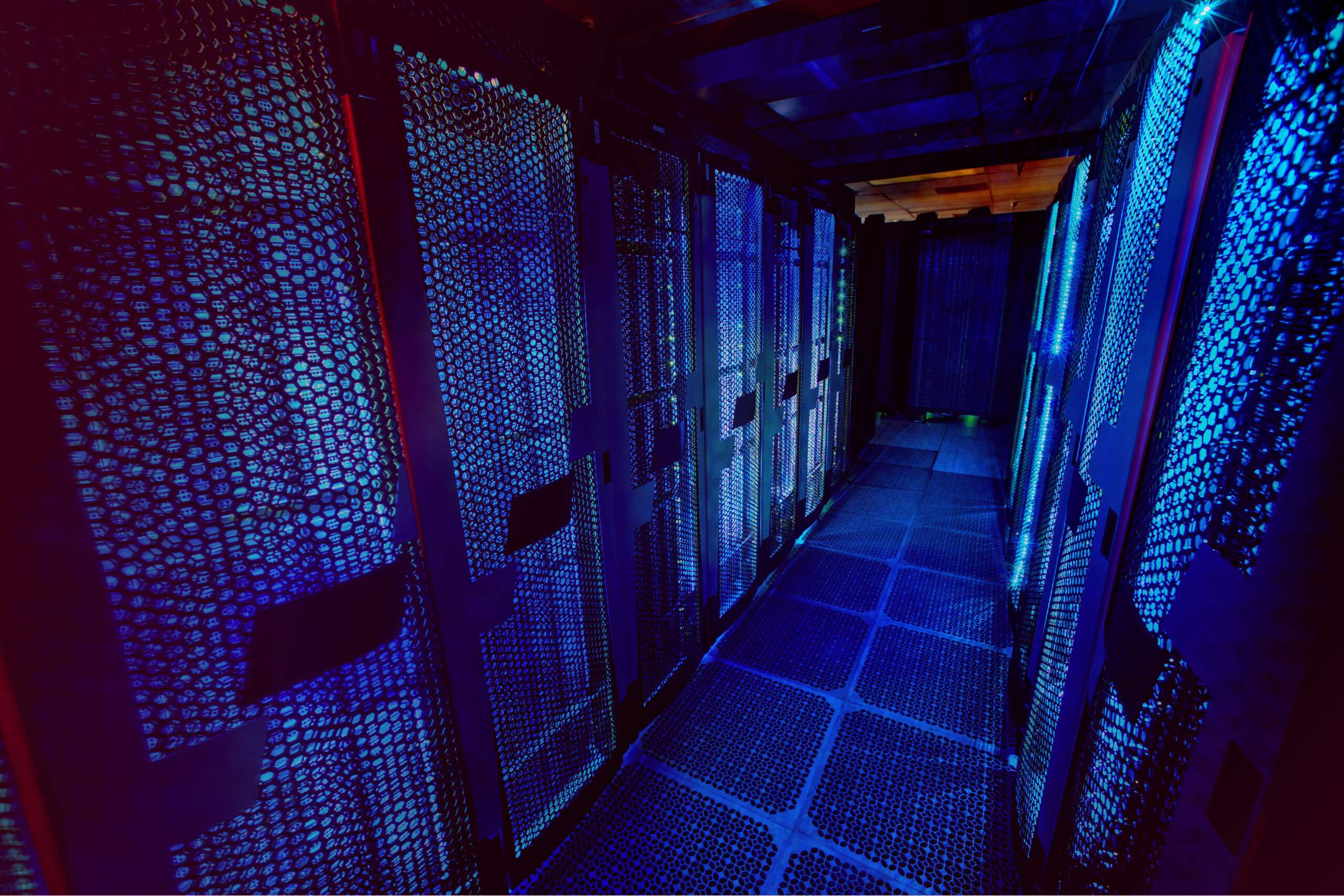
Server performance can also be measured by how often it refreshes the game state per second. This is referred to as tick rate. This number represents how frequently the server reads inputs and updates positions every second. Normal public matchmaking games default to 64 ticks.
While this rate is acceptable for regular gameplay, rapid exchanges can lead to minor imperfections. Professional matches strive to have 128-tick servers or higher for complete accuracy. Some games, like Valorant, are raising the bar by prioritising high tick rates. The server captures the shot precisely at the location it was aimed when the trigger was pulled.
Dedicated Infrastructure Versus Peer Hosting
The host architecture can also affect the fairness and stability of games. Peer-to-peer hosting has been used extensively in past console titles. Matches were hosted by a console in the lobby, effectively designating it as the game’s “server”. This led to the infamous “host advantage,” as the host player had 0ms latency while everyone else suffered from input lag.
Competitive matches are now predominantly held on dedicated servers, serving as a common ground for players. Fighting games have implemented rollback netcode to ensure peer-to-peer gameplay plays smoothly. It predicts player inputs despite latency, but big esports titles must rely on other methods. They use centralised or dedicated servers to protect against DDoS attacks.

The Financial Consequences of Technical Failure

Games today are big business. Multi-million dollar companies require stability. The worldwide esports economy alone was worth upwards of $1.86 billion in 2025. Each server outage represents a financial loss that organisations can’t afford, because every upset player means lost revenue.
Event organisers can’t have the opening game of a significant event cut short due to technical difficulties. Broadcast times will be pushed back, and sponsor dollars will disappear.
Pros and streamers building their teams can’t have their followers lose interest as they struggle to maintain rank on an unreliable server. Esports exists on the fundamental belief that players will win and lose solely on the basis of their skill level.
The Invisible Referee
Eventually, the technology becomes invisible. Like an incorporeal umpire calling strikes, specs start keeping players honest with the laws of physics. With continuous improvements in cloud-based technology and faster network protocols, latency will no longer be a concern.
But until that magic day comes, server stability is currently the silent workhorse of the industry. Players should compete against each other, with mechanical skill reigning supreme. Still, skill can only look good if the server lets it.
